
Compassionate Guardianship for the Most Vulnerable
How guardianship reform has developed in Massachusetts, and how it may be leading to support for a Public Guardian
For the past thirty years, the two most persistent problems with guardianship in Massachusetts have been: (1) that it's often too easy to impose guardianship without adequate examination of whether it is truly needed; and (2) that when a person does need a guardian (particularly if they're homeless, indigent, friendless, or estranged from family), there are too few qualified third-party professionals available to step in.
Neither the courts nor the appropriate social service agencies have had sufficient funding or personnel to meet the state's growing need for guardians...

Media Paying Attention to Guardianship
Kay Lazar has published another outstanding, well-researched article in the Boston Globe about the plight of vulnerable people who are “stuck” in hospitals, waiting for a guardian to be appointed to make the medical decisions involved in transitioning to rehab or community placement. Thanks in large part to Kay’s diligence and tenacity, this is the Globe’s third feature on this issue in the last three years. The Institute responded with a Letter to the Editor, mentioning how much a Public Guardian would do to cure the problem of hospital discharge delays. As this edition of the Newsletter is being released, we don’t know yet whether our letter will be published by the Globe, but you can read it below.
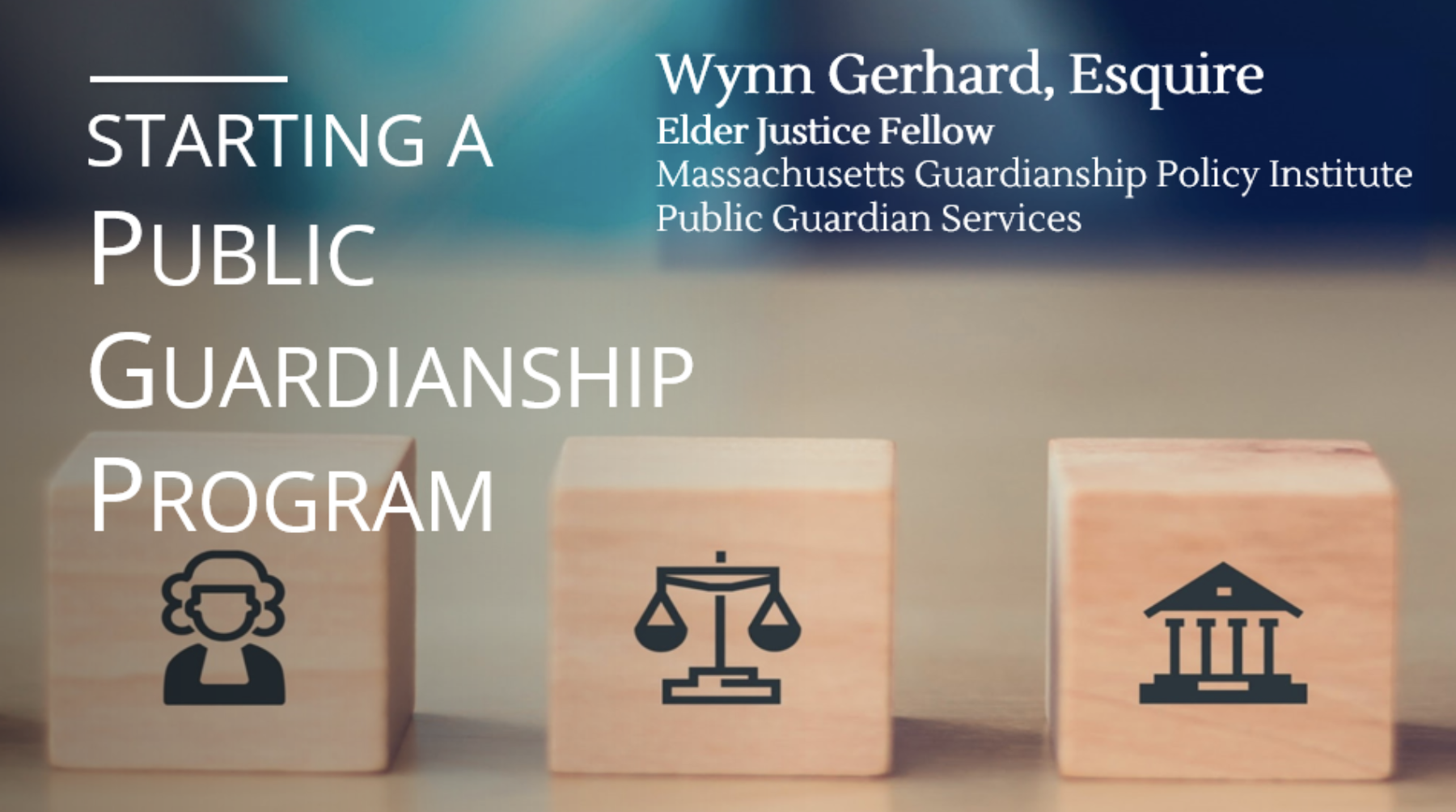
Starting a Public Guardianship Program
This October, Wynn Gerhard, Esquire, Elder Justice Fellow presented on building public guardianship models at the National Guardianship Association, sharing lessons from Massachusetts and beyond.

New York Report Highlights Urgent Guardianship Gaps
A statewide report, Incapacitated, Indigent, and Alone, documents growing guardianship needs in New York. The findings call for stronger oversight, better coordination, and sustainable funding models to support vulnerable individuals.

Pennsylvania Enacts Major Guardianship Reform
New reforms strengthen due process, require appointment of counsel, and expand less-restrictive alternatives to ensure more protective, individualized guardianship decisions.

Statewide Bill of Rights Strengthens Protections
New Mexico’s Supreme Court adopted a comprehensive Bill of Rights for adults under guardianship, expanding dignity, participation, and oversight, marking a major step in national rights-based reform.
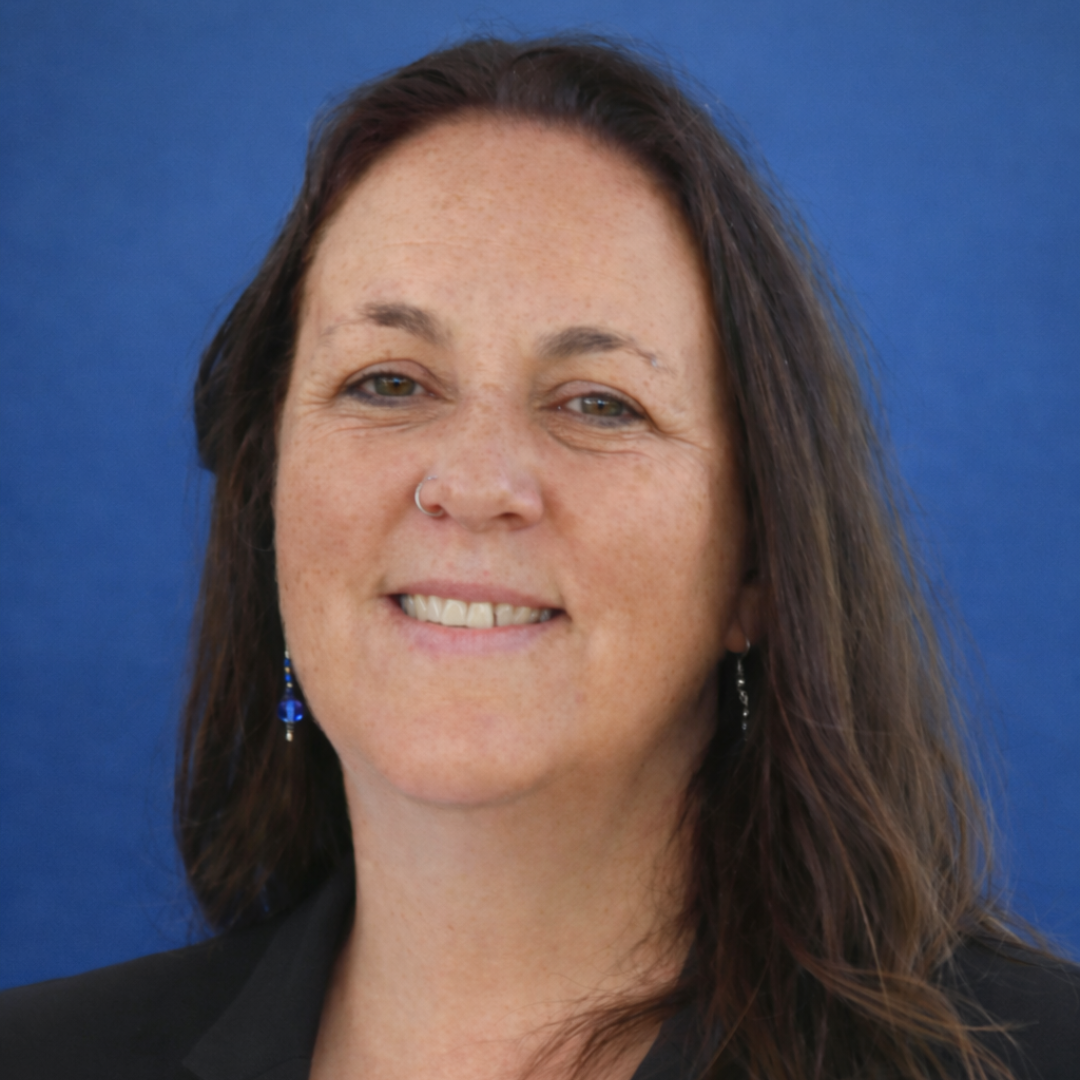
Meet the Guardians: Spotlight on Betsy Frye, LSW
After decades in child protection, Betsy Frye found her calling as a guardian at Public Guardian Services, making sure no one leaves this world unseen.
When it comes to being a Care Manager at Public Guardian Services, Betsy Frye is clear: “It’s the only agency I’d ever work for. We’re social workers first.”

Meet the Clients: Spotlight on Manuel
Estranged for years, Manuel was miraculously reunited with his family at his deathbed.
At first, Manuel's prognosis looked manageable. But within months, his cancer advanced, his weight dropped, and hospice became the only option.
That’s when his story took a turn no one expected.

Meet Public Guardian Services (PGS)
Public Guardian Services (PGS) is the Institute’s hands-on demonstration of what high-quality, relationship-driven guardianship can look like in practice. Created in 2019 to fill the growing gap in guardianship services statewide, PGS supports adults who are medically or psychiatrically vulnerable, unrepresented, and at significant risk. Few of the most at-risk individuals receive the day-to-day presence of a guardian that helps them stabilize. PGS guardians follow a social-work model grounded in consistent, relationship-based support, helping clients build independence, access services, secure safe housing, reconnect with community supports, and move toward greater well-being.

The Massachusetts Guardianship Policy Institute’s Report on Public Guardianship: Ten-Year Review & Recommendations reveals a pressing reality: Massachusetts still relies on an unsustainable volunteer model to serve unrepresented individuals. The consequences are steep costs to both human well-being and public resources. The report calls for a professional, publicly funded system that prioritizes person-centered care, long-term sustainability, and meaningful alternatives to guardianship, drawing from states where strong models already exist.